The 4.0-Star Cliff
Why Patient Reviews Now Decide Whether New Patients Book With Your Clinic

A rating below 4.0 stars can become a hard stop for new patients.
That is the important point. It is not simply a small drop in your local search position or a number that looks slightly less impressive. For many people, it is a credibility check. If your clinic falls below the threshold, some prospective patients may never consider booking with you.
According to rater8’s 2026 Patient Choice Report, 75% of patients said they require a healthcare provider to have a rating of at least 4.0 stars before booking. In other words, around three in four patients may decline to book with a clinic rated below 4.0.
That is the 4.0-star cliff.
You are either safely above it, or you may be losing patients you never hear from..
Reviews Are Now a Trust Gate
Reviews used to be treated mainly as a search engine optimisation signal. They still matter for local visibility, of course. But their bigger role is now much closer to the point of booking.
A patient might:
- Search for a physiotherapist, dentist, podiatrist or chiropractor.
- Compare several local clinics.
- Check the location, services and availability.
- Read the latest reviews.
- Decide whether they feel comfortable making contact.
That final step is where the trust gate appears.
A good-looking website can help a patient understand your services. Convenient online booking can make it easy to arrange an appointment. But your reviews often answer the most personal question:
“Can I trust this clinic with my care?”
A strong rating does not guarantee that a patient will book. However, a rating below 4.0 may mean that many patients never get as far as considering your clinic.

The Number of Reviews Is Not the Whole Story
Many clinic owners focus on volume. They see a competitor with hundreds of reviews and assume they need to collect a similar number straight away.
Volume can help, but it is not the only thing patients notice.
A steady flow of recent, genuine reviews can be more reassuring than a large collection of reviews from several years ago. Recent feedback signals that:
- Your clinic is active.
- Patients are still choosing your services.
- Your team is still delivering care.
- The experience you provide is current.
- New patients can expect a similar level of attention today.
This is particularly important for independent clinics. Your prospective patient is not only checking whether people liked you in the past. They want to know what your clinic is like now.
So, rather than running a short campaign to collect as many reviews as possible, build a simple review habit into your normal patient journey.
How to Build a Consistent Review Flow
The best review process does not need to be complicated. It should feel natural for your team and comfortable for your patients.
1. Ask at the Right Moment
Timing matters.
The most suitable moment is often after positive feedback, a successful milestone or the end of a treatment plan. For example, a patient may tell you that their pain has improved, that they feel more confident, or that they are pleased with their progress.
That is a natural opportunity to say:
> “We are really pleased to hear that. If you have a moment, would you be happy to share your experience in a Google review? It can help other local patients find us.”
You do not need to ask every patient in the same way. Your team can use their judgement and keep the conversation warm and low-pressure.
Don’t worry about making it perfect. A genuine, straightforward request is usually best.
2. Make It Effortless
Even a patient who is happy with your service may not leave a review if the process takes too long.
Make the next step obvious:
- Provide a direct link to your review page.
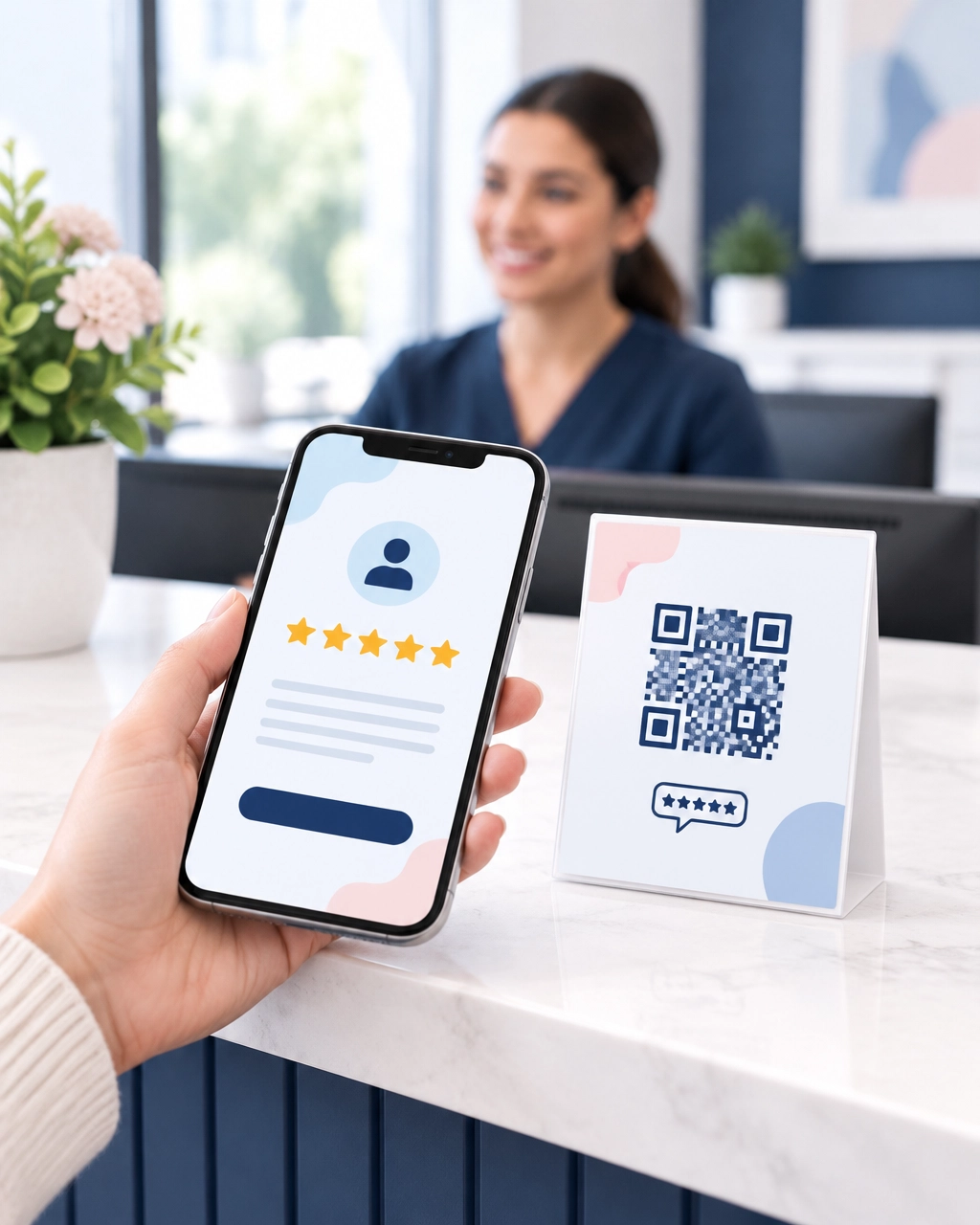
- Add a QR code at reception.
- Include the link in a suitable follow-up email.
- Use a short post-appointment message where appropriate.
- Make sure the link works on a mobile phone.
Avoid sending patients on a search for your clinic. If they have to find your Google Business Profile, open the right page and work out what to do, many will leave it for later.
And “later” often means never.
3. Use a Simple, Low-Pressure Prompt
Your request should invite an honest response. It should never tell the patient what rating to leave or what to write.
You could use:
> “If you were happy with your appointment, we would really appreciate an honest review. Your feedback helps us and helps other people looking for care locally.”
This wording is clear, polite and genuine. It also gives patients the freedom to share their own experience.

4. Follow Up Once
A single reminder can be helpful, especially if the first request was made verbally.
For example, you might send one follow-up message a few days later:
> “Thank you again for visiting our clinic. If you would like to share feedback, you can do so here: [review link]. There is no pressure at all, but your honest thoughts are appreciated.”
Keep it to one follow-up. Repeated reminders can feel uncomfortable and may damage the trust you are trying to build.
5. Respond to Every Review
This is the step many clinics overlook.
Your review response is not only for the person who wrote the review. It is also for every future patient who reads it.
A thoughtful response shows that your clinic is:
- Present and responsive.
- Grateful for feedback.
- Professional in public.
- Interested in patient experience.
- Willing to listen when something goes wrong.
This is why review responses deserve more attention than a quick “Thank you!”
How to Respond to Positive Reviews
A good response does not need to be long. It should sound personal rather than copied and pasted.
Try to:
- Thank the patient.
- Mention something relevant from their feedback.
- Reinforce your commitment to patient care.
- Keep private health details private.
For example:
> “Thank you for taking the time to leave such kind feedback. We are delighted to hear that you felt comfortable throughout your appointments and found the team helpful. We really appreciate your recommendation.”
Do not repeat sensitive information, even if the patient included it in their review. A public response should always respect confidentiality.
How to Respond to a Negative Review
A negative review can feel personal, particularly when you and your team care deeply about your work. But responding calmly can make a meaningful difference.
Start by acknowledging the experience without becoming defensive:
> “Thank you for sharing your feedback. We are sorry to hear that your experience did not meet your expectations.”
If you can identify a general issue, recognise it:
> “We understand how frustrating it is when communication does not feel clear, and we are reviewing this with our team.”
Then invite the person to continue the conversation privately:
> “Please contact us directly so we can look into this further.”
Avoid discussing clinical details in public. Do not argue point by point. Do not blame the patient. Do not reveal information that confirms they received treatment at your clinic.
A calm response can reassure future readers, even when the original review is unfavourable. Patients do not expect every clinic to have a perfect record. They want to see that the clinic takes concerns seriously and handles them professionally.
Keep Your Review Strategy Genuine and Compliant
Never buy reviews.
Never offer incentives for positive reviews.
Never pressure patients to leave feedback.
Your review process should remain genuine and follow the rules of the platform you use. Ask for honest feedback, make it easy to provide and allow patients to decide whether they want to take part.
This protects your reputation and creates reviews that prospective patients can trust..
Your Website Should Support the Trust Check
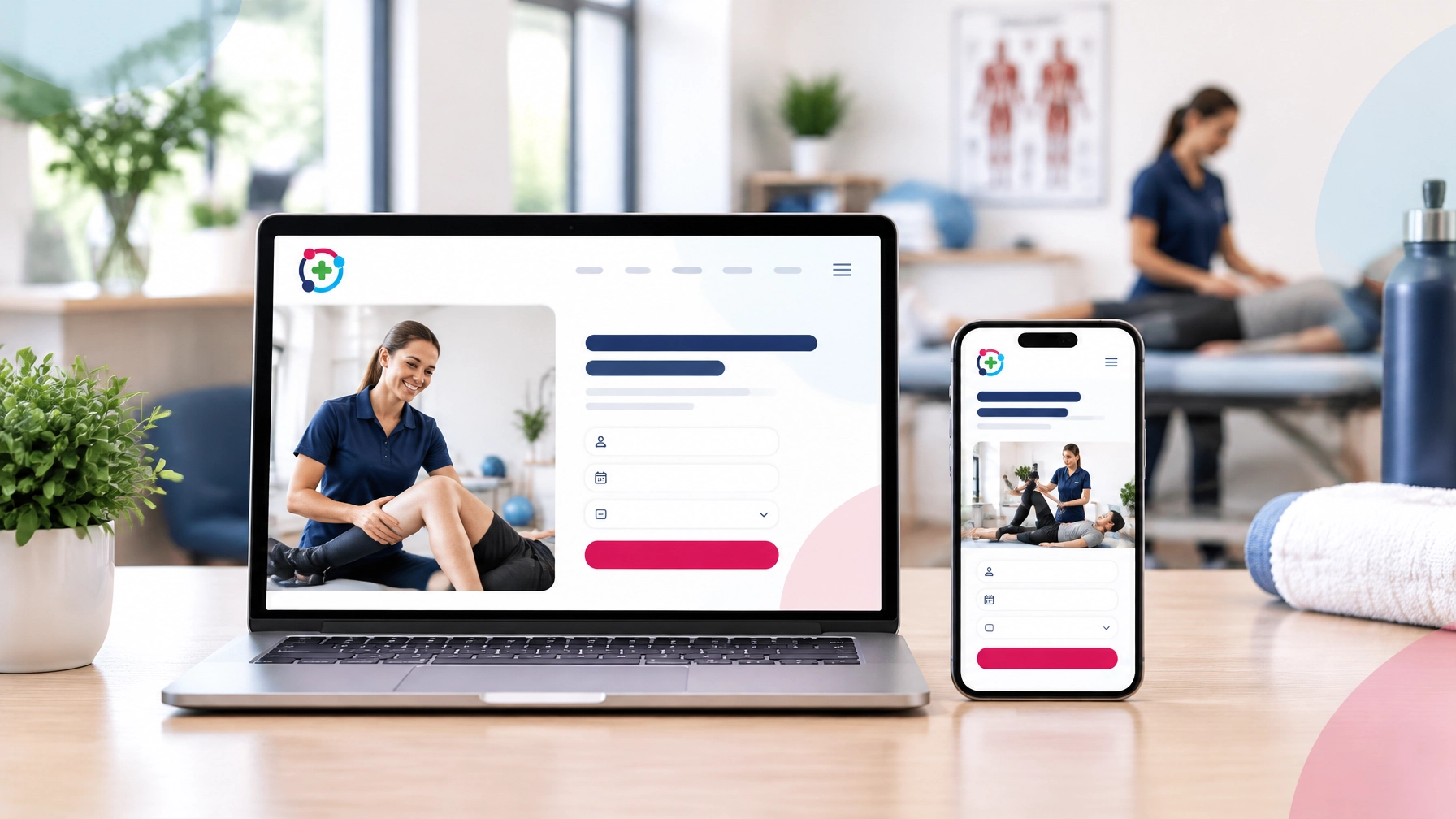
Reviews are only one part of the booking decision. Once a patient feels reassured by your rating, your website needs to make the next step simple.
Your website should clearly show:
- What services you provide.
- Which patients you help.
- Where you are located.
- How to contact you.
- When appointments are available.
- How to book online.
- What makes your clinic different.
It should also work well on mobile devices. Many local searches happen on a phone, often when a patient is comparing several clinics at once.
This is where a healthcare digital marketing agency can help. At Health Clinic Websites, we create and manage websites specifically for health clinics. We can support your local SEO for clinics, connect online booking systems and make sure your website gives patients a clear, reassuring path from search to appointment.
Don’t worry if you are not sure what needs improving. Our team can guide you through it..
A Quick Self-Audit
Take a few minutes to check your current position:
- Is your clinic rating safely above 4.0 stars?
- Are your latest reviews recent?
- Do you have a simple way to ask for honest feedback?
- Can patients reach your review page directly?
- Is there a QR code available at reception?
- Does your team know when and how to ask?
- Have you followed up once, without applying pressure?
- Do you respond to every review?
- Does your website make booking easy after a patient has checked your reviews?
If one or two answers are “not yet”, don’t worry. You do not need to fix everything at once. Start with the next review request, create a direct link and set aside time each week to respond.
Then review your website and local visibility as part of the same patient journey.
Speak to our team about a free consultation. We are ready to understand your needs, goals and vision, and help take the stress away from your online presence.
Is your clinic safely above the 4.0-star cliff?
Sources
Recent Posts